Studies show hearing loss is associated with dementia risk
Affiliates: ENT Specialists of Alberta & Sleep Specialists of Alberta

- Patient Forms
Hearing Aid Accessories
Hearing aids are available in a variety of sizes and styles, and many can also be paired with helpful accessories. Choosing which options will benefit you most can feel overwhelming, as needs vary from person to person. Speaking with an audiologist can help you understand which features or accessories are best suited to your hearing needs and lifestyle.
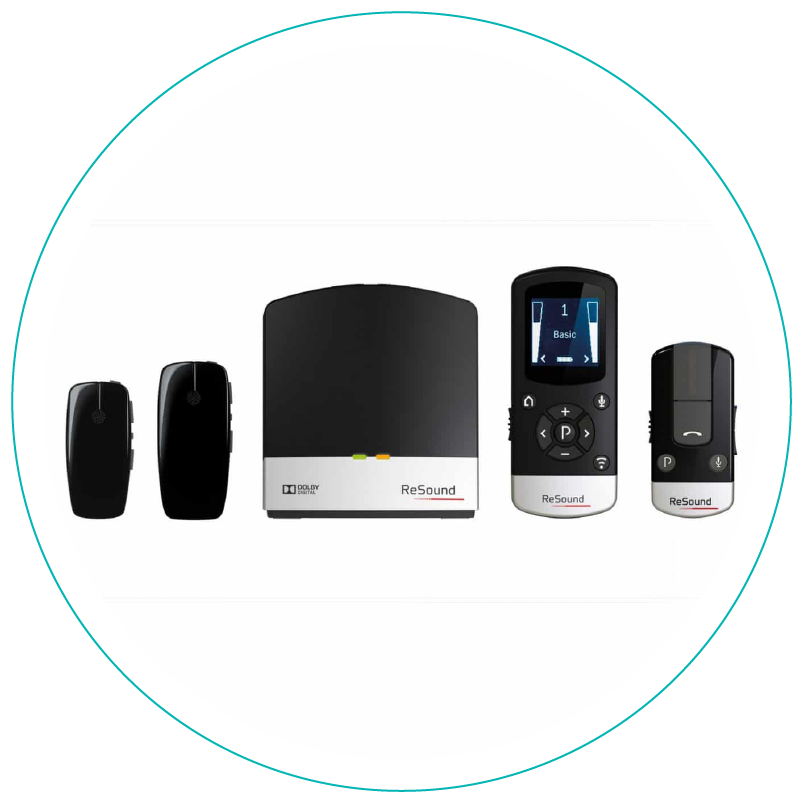
Hearing Aid Accessories
Some of the most popular hearing aid accessories include:
-
Wireless accessories.
Using Bluetooth technology, wireless accessories help improve hearing in situations with background noise or when there is distance between you and the speaker. These may include wireless microphones, remote controls, and television listening devices. -
Transmitters and receivers.
These systems are especially helpful in educational settings and for children. Sound is transmitted directly from the speaker to the listener’s hearing aids, helping reduce background noise, distance, and room echo for clearer understanding. -
Power adaptors and cords.
Power adaptors allow hearing aids to connect directly to a variety of audio sources such as televisions, computers, music players, and FM systems. Options are available for both single ear and both ear listening. -
Earwax filters.
Earwax filters help protect hearing aids by preventing earwax from entering sensitive electronic components. This can extend the life of the device while maintaining clear and natural sound quality. -
Cleaning kits.
Keeping your hearing aids clean can help extend the life of your devices and maintain optimal performance. Cleaning kits make daily care easier and typically include tools such as a wax removal brush, cleaning pick, tube or vent cleaner, battery door opener, and battery replacement magnet. -
Charging stations.
For individuals using rechargeable hearing aids, a charging station offers simple and convenient daily use. Instead of handling small batteries, hearing aids can be placed in a charging cradle for a few hours to provide a full day of reliable listening.
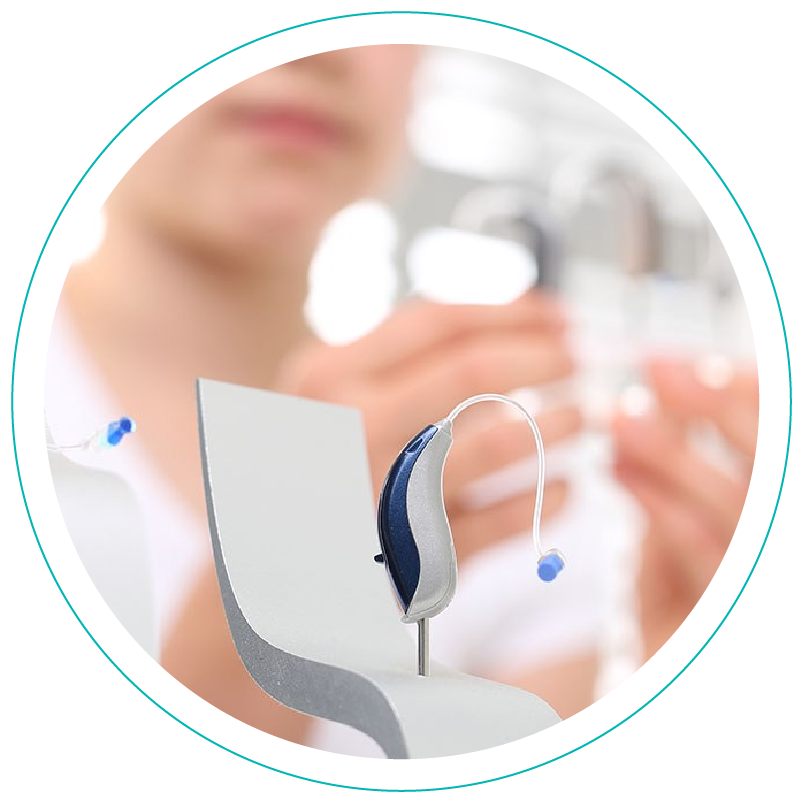
Alerting Devices
Alerting devices connect to everyday electronics such as telephones, alarm clocks, doorbells, and other home systems. They notify you through amplified sound, flashing lights, or both, helping ensure you do not miss important events like phone calls, alarms, or visitors at the door.
Batteries
Most hearing aids use disposable zinc air batteries that are color and number coded for easy replacement. The type of battery you need depends on the size and style of your hearing aids and may include sizes 5 red, 10 yellow, 13 orange, 312 brown, or 675 blue. Battery life can vary based on factors such as hearing aid style, degree of hearing loss, daily usage, listening environments, and whether you stream audio.
Rechargeable Batteries
Rechargeable hearing aids are one of the most popular features requested by hearing aid users today. They eliminate the need to change small disposable batteries, perform daily battery checks, or carry spare batteries, making daily use simpler and more convenient. Rechargeable batteries are also an environmentally friendly option, helping reduce the number of disposable hearing aid batteries used each year.
Rechargeable hearing aids offer several practical benefits. The charging station serves as a secure overnight home for your devices, so they are always easy to find and ready to use. There is no need to keep extra batteries on hand, and over time, rechargeable options can save both time and money.
Many rechargeable hearing aids provide up to a full day of hearing on a single charge. Some models also offer fast charging, allowing you to gain several hours of listening time from a short charge.
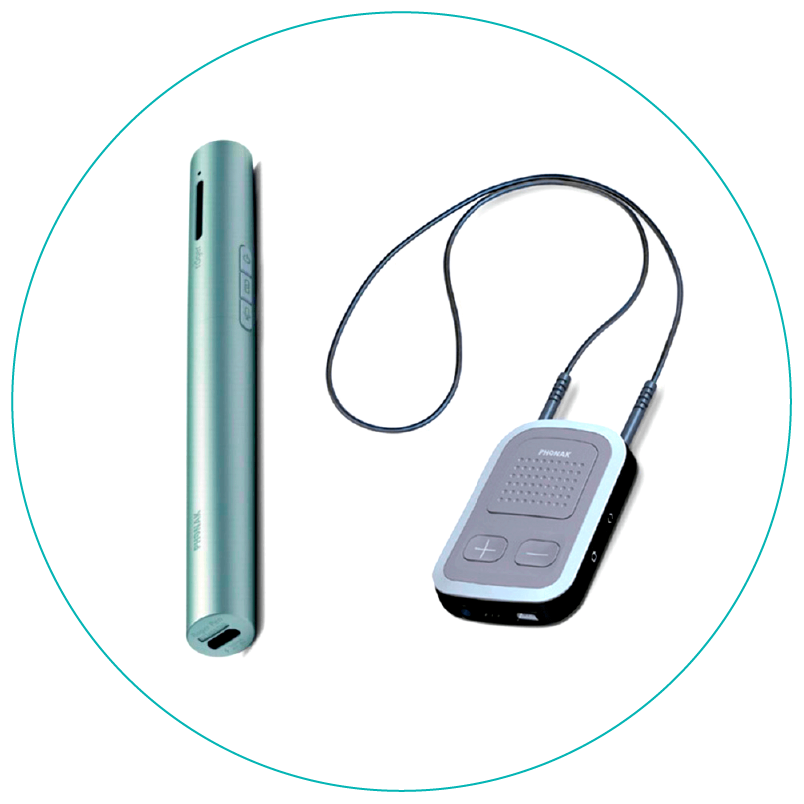
Hearing Aids
Personal Amplifiers
Personal amplifiers are compact listening devices designed for smaller or more personal environments where radio based systems may be less effective. They are often used while watching television, traveling by car, or spending time outdoors.
These devices have a built in microphone that is usually directional, allowing you to aim it toward the sound source. This helps capture speech more clearly and improves listening comfort in everyday situations.
Assistive Listening Devices
Assistive listening devices, often called ALDs, are portable systems designed to help individuals with hearing loss communicate more clearly. Unlike hearing aids, which amplify all sounds, assistive listening devices focus on separating speech from background noise. This makes it easier to understand conversations, especially in challenging listening environments.
Some assistive listening devices are used alongside hearing aids, while others function as standalone solutions. They are especially helpful in situations where distance, poor acoustics, or background noise make hearing difficult.
Infrared Systems
Infrared systems work in a similar way to FM systems but use infrared light instead of radio signals to transmit sound. The transmitter converts sound into light and sends it to a receiver, which then converts the light signal back into clear audio for the listener.
One advantage of infrared systems is that the signal does not pass through walls. This helps prevent interference from nearby systems and keeps audio contained within a specific space, which can be important for privacy. Because of this, infrared systems are commonly used in settings such as courtrooms and large movie theatres.
FM Systems
FM systems use radio signals to transmit amplified sound directly to your hearing aids. These systems include a microphone, transmitter, and receiver, and are commonly used in public spaces such as classrooms, restaurants, movie theatres, and places of worship.
The microphone is worn by the person speaking or placed close to the sound source. The sound is then sent from the transmitter to the receiver, which is set to a specific frequency. This direct transmission helps reduce the impact of distance and background noise, making speech easier to understand.
Hearing Loops
Hearing loops, also known as induction loop systems, use electromagnetic energy to transmit sound directly to hearing aids or cochlear implants equipped with a telecoil. These systems include a sound source, an amplifier, a loop of wire, and a built in receiver within the hearing device.
When you are within the looped area, sound is delivered clearly and without background noise. Hearing loop systems can connect to many audio sources and are commonly installed in public spaces such as airports, places of worship, lecture halls, and other large venues.
At Auricle Audiology and Hearing Clinic in Edmonton, Alberta, we help patients understand how hearing loops work and how to use compatible hearing aids to access clearer sound in public settings.
Contact Us
If you are experiencing a medical emergency, please call 911.
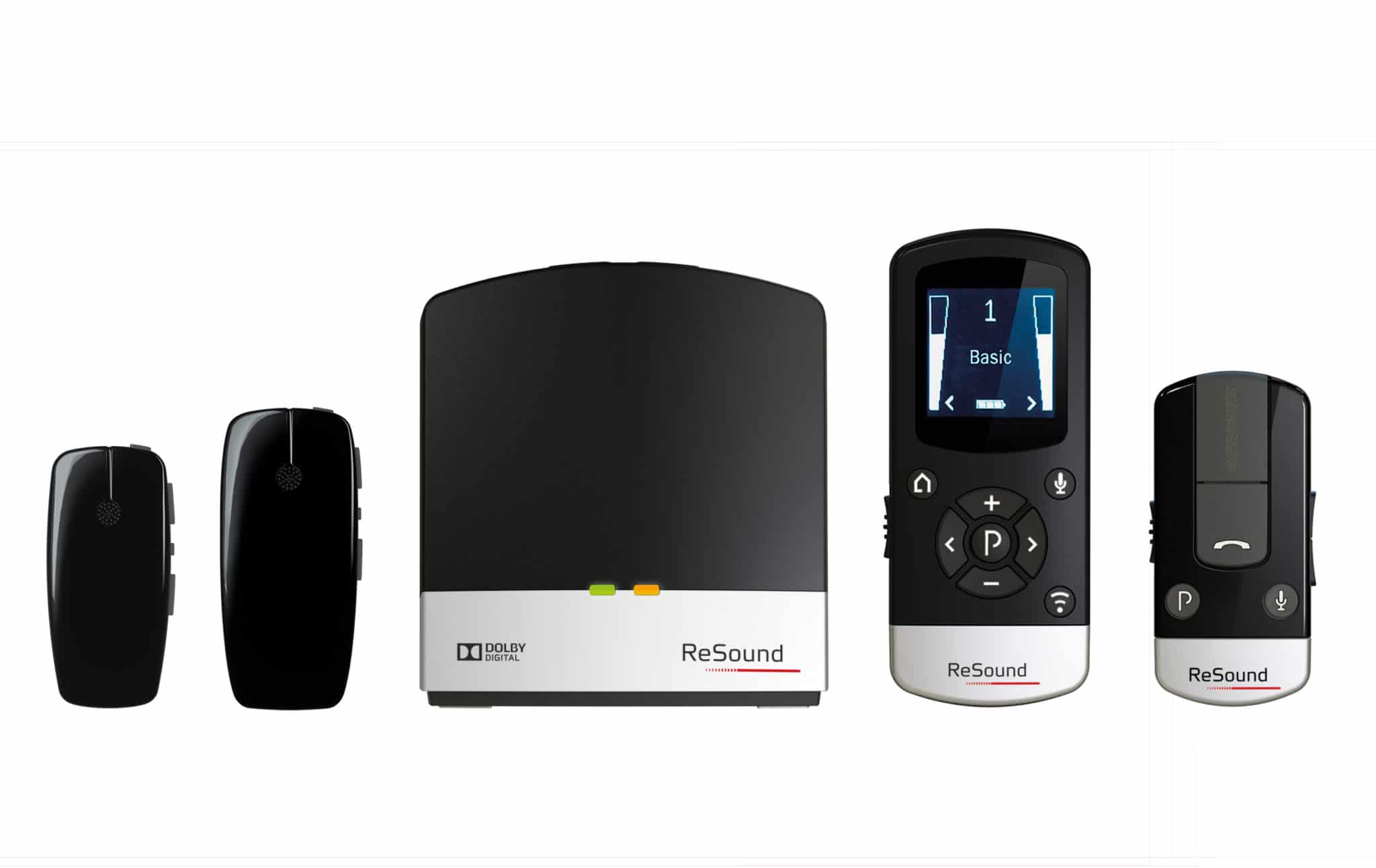
Hearing Aid Accessories
-
Wireless accessories.
Using Bluetooth technology, wireless accessories help improve hearing in situations with background noise or when there is distance between you and the speaker. These may include wireless microphones, remote controls, and television listening devices. -
Transmitters and receivers.
These systems are especially helpful in educational settings and for children. Sound is transmitted directly from the speaker to the listener’s hearing aids, helping reduce background noise, distance, and room echo for clearer understanding. -
Power adaptors and cords.
Power adaptors allow hearing aids to connect directly to a variety of audio sources such as televisions, computers, music players, and FM systems. Options are available for both single ear and both ear listening. -
Earwax filters.
Earwax filters help protect hearing aids by preventing earwax from entering sensitive electronic components. This can extend the life of the device while maintaining clear and natural sound quality. -
Cleaning kits.
Keeping your hearing aids clean can help extend the life of your devices and maintain optimal performance. Cleaning kits make daily care easier and typically include tools such as a wax removal brush, cleaning pick, tube or vent cleaner, battery door opener, and battery replacement magnet. -
Charging stations.
For individuals using rechargeable hearing aids, a charging station offers simple and convenient daily use. Instead of handling small batteries, hearing aids can be placed in a charging cradle for a few hours to provide a full day of reliable listening.