Studies show hearing loss is associated with dementia risk
Affiliates: ENT Specialists of Alberta & Sleep Specialists of Alberta

- Patient Forms
Hearing Aid Batteries
Hearing aids rely on batteries to function properly, and keeping them powered ensures consistent and reliable performance. To help your devices work smoothly without interruption, it is important to understand how hearing aid batteries work and how to care for them. We have gathered answers to common questions to help you get the most out of your hearing aid batteries and maintain dependable hearing throughout your day.
What kinds of batteries do hearing aids use?
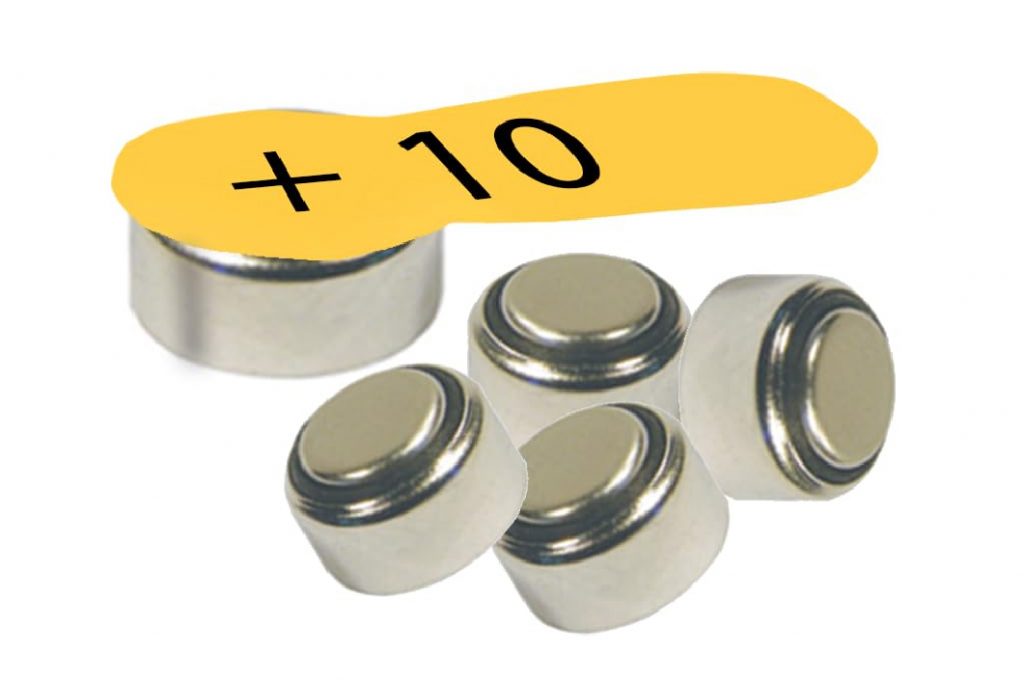
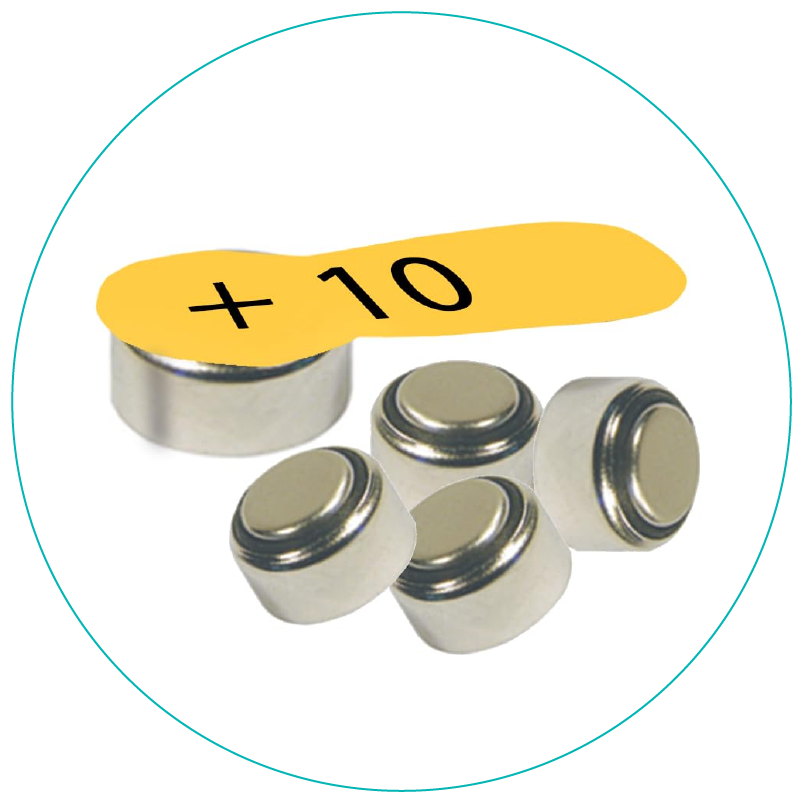
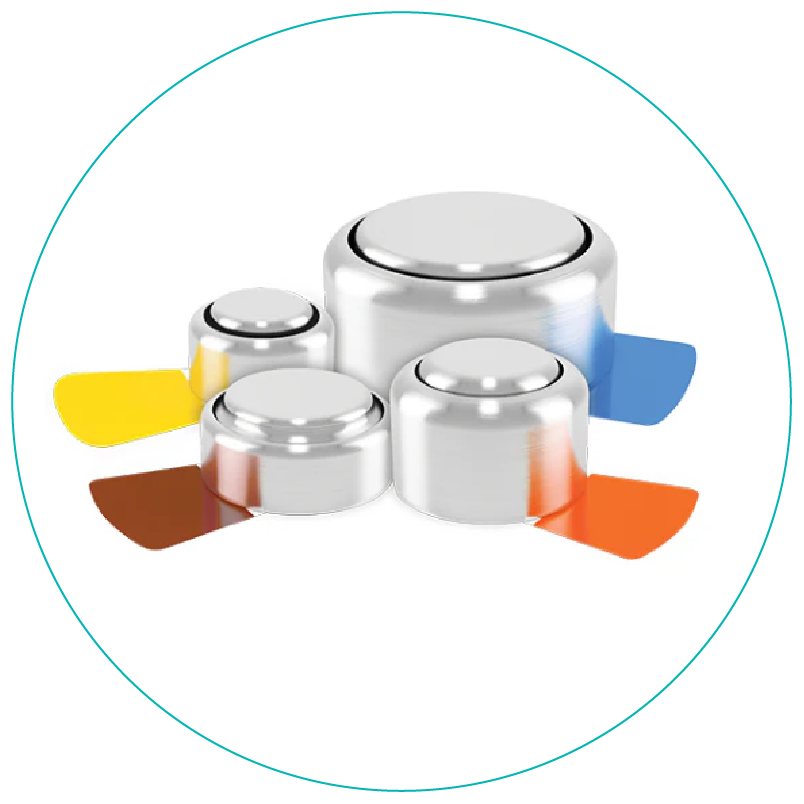
Most hearing aids use disposable zinc air batteries that are color and number coded for easy identification and replacement. The type of battery required depends on the size and style of your hearing aids and may include sizes 5 red, 10 yellow, 13 orange, 312 brown, or 675 blue.
How do zinc-air batteries differ from other battery types?
Zinc air batteries use oxygen to generate power. Each battery has a small protective seal on the back, and once this seal is removed, oxygen enters through tiny openings to activate the battery. For best performance, it is recommended to wait about one minute after removing the seal before inserting the battery into your hearing aid. This allows the battery to absorb enough oxygen to function properly
How long will hearing aid batteries last?
On average, disposable hearing aid batteries last between five and seven days. Battery life can vary based on the size and style of your hearing aids, your degree of hearing loss, how often the devices are used, and the listening environments you are in throughout the day.
At Auricle Audiology and Hearing Clinic in Edmonton, Alberta, we can help you choose the right battery type and offer tips to maximize battery life for your hearing aids.
How will I know when it’s time to change the batteries?
If your hearing aids suddenly stop producing sound, a depleted battery is often the most likely cause. Other signs that it may be time to change the battery include distorted or unclear sound and lower than usual volume levels. Many hearing aids also emit an audible alert to let you know when battery power is running low.
Are there steps I can take to extend battery life?
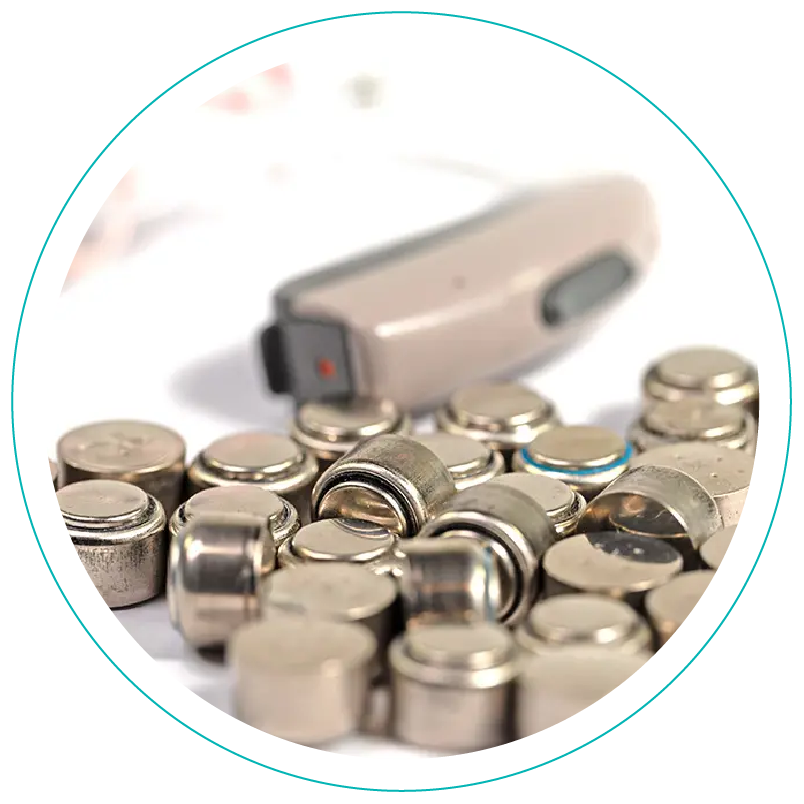
To help extend the life of your hearing aid batteries, store them at room temperature and keep them away from moist or humid environments. Avoid storing batteries in places such as the refrigerator, as temperature changes and condensation can reduce their lifespan.
It is also important to keep batteries away from keys, coins, or other metal objects that could cause them to discharge prematurely. When you remove your hearing aids, turn them off and open the battery compartment to reduce moisture buildup and help preserve battery power.
Rechargeable Batteries
Rechargeable hearing aids are one of the most popular features requested by hearing aid users. They eliminate the need to regularly change disposable batteries, perform daily battery checks, or carry spare batteries, making hearing aids simpler and more convenient to use. Rechargeable options are also an environmentally conscious choice, helping reduce the number of disposable hearing aid batteries used each year.
Rechargeable hearing aids offer several practical benefits. The charging station acts as a secure overnight home for your devices, so they are easy to keep track of and ready to use each morning. There is no need to keep extra batteries on hand, and over time, rechargeable hearing aids can save both time and money.
Many rechargeable hearing aids provide up to a full day of hearing on a single charge. Some models also include fast charging capabilities, allowing you to gain several hours of listening time from a short charging session.
At Auricle Audiology and Hearing Clinic in Edmonton, Alberta, we can help you determine whether rechargeable hearing aids are the right choice for your lifestyle and hearing needs.
Contact Us
If you are experiencing a medical emergency, please call 911.
What kinds of batteries do hearing aids use?